We use the word freshness rather casually.
A bunch of coriander picked up during a weekly grocery run is fresh. The tomatoes sitting on a kitchen counter are fresh. The mangoes arriving at our doorstep on a summer afternoon are fresh too.
The conversation around food today is often dominated by convenience. We celebrate how quickly groceries arrive, how easily ingredients can be ordered, and how seamless food has become part of our digital lives. What we rarely see is everything that happens before that moment.
Recently, I had the opportunity to follow the journey of produce from farm to doorstep through Amazon’s Farm to Fork experience, a behind-the-scenes look at the ecosystem that powers Amazon Fresh and Amazon Now.
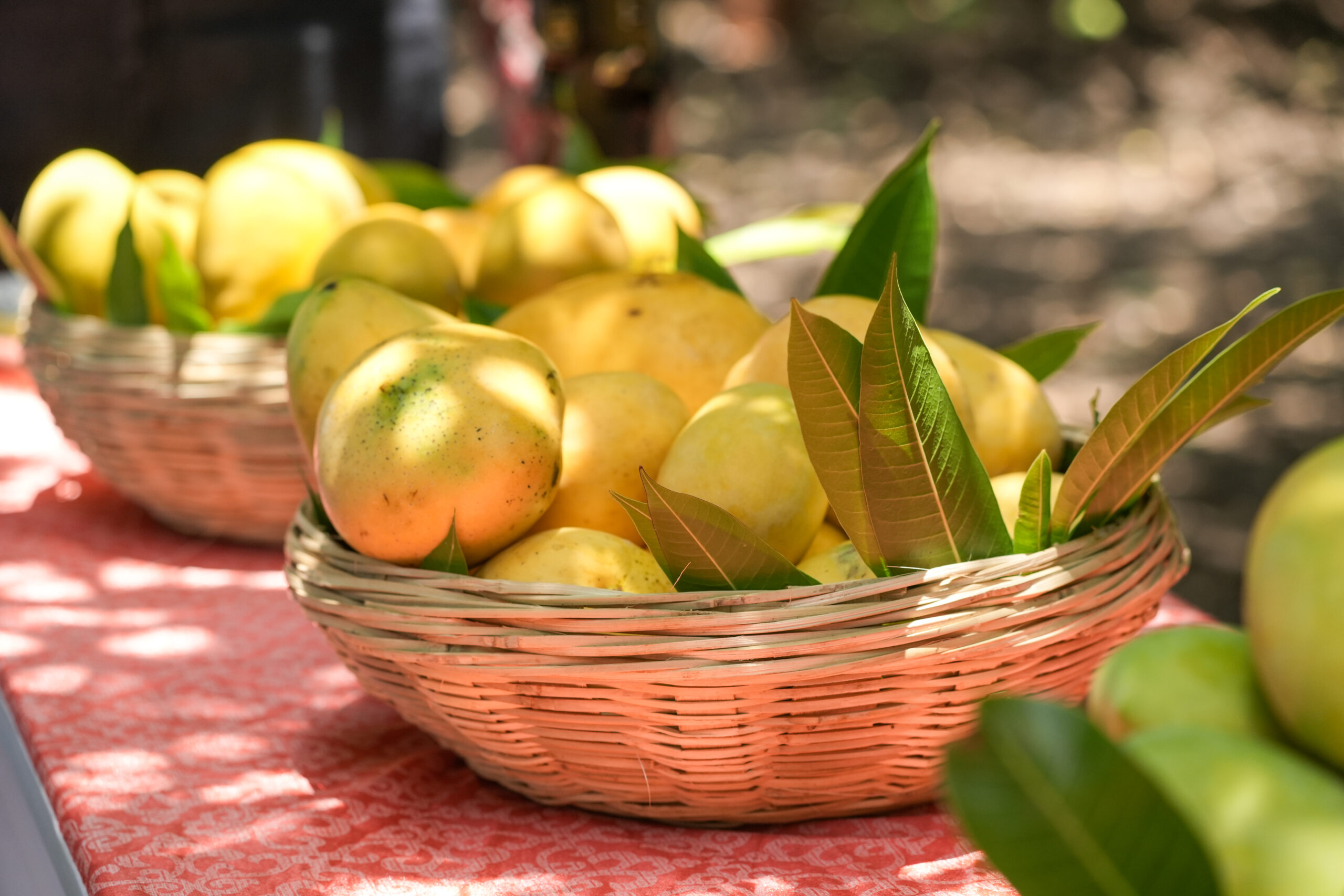
On a warm summer morning in Narayangaon, surrounded by rows of fruit-bearing trees and fields bursting with seasonal produce, it felt like the most appropriate welcome imaginable. Beside it sat freshly cut mangoes. After all, this is mango season in Maharashtra, a time when the landscape itself seems to celebrate abundance.
The farm carried a quiet charm that is becoming increasingly rare to find. Nestled in Kandali village in Pune’s Junnar taluka, it felt far removed from the pace of city life. Mr. Mahesh Vithal Shinde and his wife, Mrs. Sonali Mahesh Shinde, welcomed us with the warmth one usually associates with visiting a family home rather than a working farm. Over glasses of chilled aam panna and plates of fresh seasonal mangoes, conversations flowed easily, offering a glimpse into a life shaped by the rhythms of the land and the changing seasons.
Walking through the farm with Mahesh ji, it became evident of how much work and love goes into growing “freshness”. Every fruit and every harvest decision is influenced by factors that consumers rarely think about. There was quiet confidence in the way he spoke about the produce, born not from marketing or presentation, but from years of experience spent understanding soil, weather and seasonality.
What unfolded was not a story just about speed. It was a story about seamless operations.
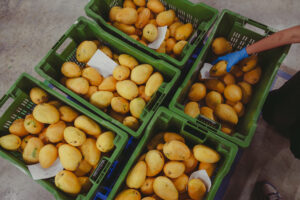
From the farms, we travelled to one of Amazon’s collection centers. If the farm is where quality is created, the collection center is where it is measured.
Every crate of produce moving through the facility undergoes grading and sorting based on parameters that consumers rarely think about size, colour, appearance, firmness and consistency. What might seem like a simple tomato or melon on a grocery app has already passed through multiple layers of evaluation before it reaches a customer.
I was particularly intrigued by the role of agricultural specialists at these centres. Food conversations often celebrate chefs and producers, but there is an entire layer of expertise dedicated to ensuring produce maintains quality as it moves through increasingly complex supply chains.
The next stop was a processing facility where another aspect of freshness became visible – temperature.
Fresh produce is incredibly fragile. Every unnecessary touchpoint, every delay and every fluctuation in storage conditions can influence quality. Walking through temperature-controlled zones, cold storage areas and packaging operations offered a reminder that freshness is not a single event, it is a chain of decisions made repeatedly and consistently.
Later that afternoon, we participated in a simple cooking session with Shivesh Bhatia, using mulberry harvested earlier in the day. Such a lovely day, really.
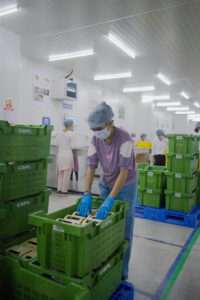
The final piece of the puzzle came at an Amazon micro-fulfilment centre.
This is where the invisible infrastructure behind modern grocery shopping becomes tangible. Orders are picked, packed and dispatched through a network designed to maintain quality while bringing produce closer to customers. The same sourcing and cold-chain ecosystem supports both Amazon Fresh, which serves planned grocery shopping needs, and Amazon Now, which enables ultra-fast delivery within minutes.
As consumers, we often see only the final transaction.
- A notification.
- A doorbell.
- A delivery.
What remains hidden is the journey that preceded it, farmers harvesting before sunrise, collection centres grading produce, temperature-controlled facilities preserving quality, and operational teams ensuring that freshness survives every stage of transit.
The experience left me reflecting on how disconnected many of us have become from the origins of our food.
For generations, people understood where ingredients came from because they lived closer to the source. Modern convenience has brought enormous benefits, but it has also made these journeys largely invisible.
Perhaps that is why experiences like Farm to Fork matter.
Not because they showcase technology or infrastructure, though both are impressive.
But because they remind us that every fruit, vegetable and ingredient has a story long before it reaches our plate.
And understanding that story may be the freshest perspective of all.